
SEO meta title: What Is a Web Application and When Does Your Business Need One?
Meta description: Learn what a web application is, how it differs from a website, and the clear signs your business is ready for a custom web app to save time and grow.
Suggested URL slug: /what-is-a-web-application-when-does-your-business-need-one
Focus keyword: web application
Secondary keywords: custom web application development, web app vs website, business automation, SaaS application, custom software
Most business owners are comfortable with the idea of a website. It's your online presence — a place that tells visitors who you are, what you offer, and how to reach you. But at some point, many businesses hit a wall. The website that once felt sufficient can no longer keep up with how the business actually operates. Spreadsheets multiply, manual tasks pile up, and customers start expecting to do things online, not just read about them.
That's usually the moment a business starts wondering about a web application — even if they don't yet have the word for it. Understanding what a web app is, how it differs from a regular website, and when it's genuinely worth the investment can save you time, money, and a great deal of operational frustration.
Let's break it down clearly and honestly.
What Is a Web Application?
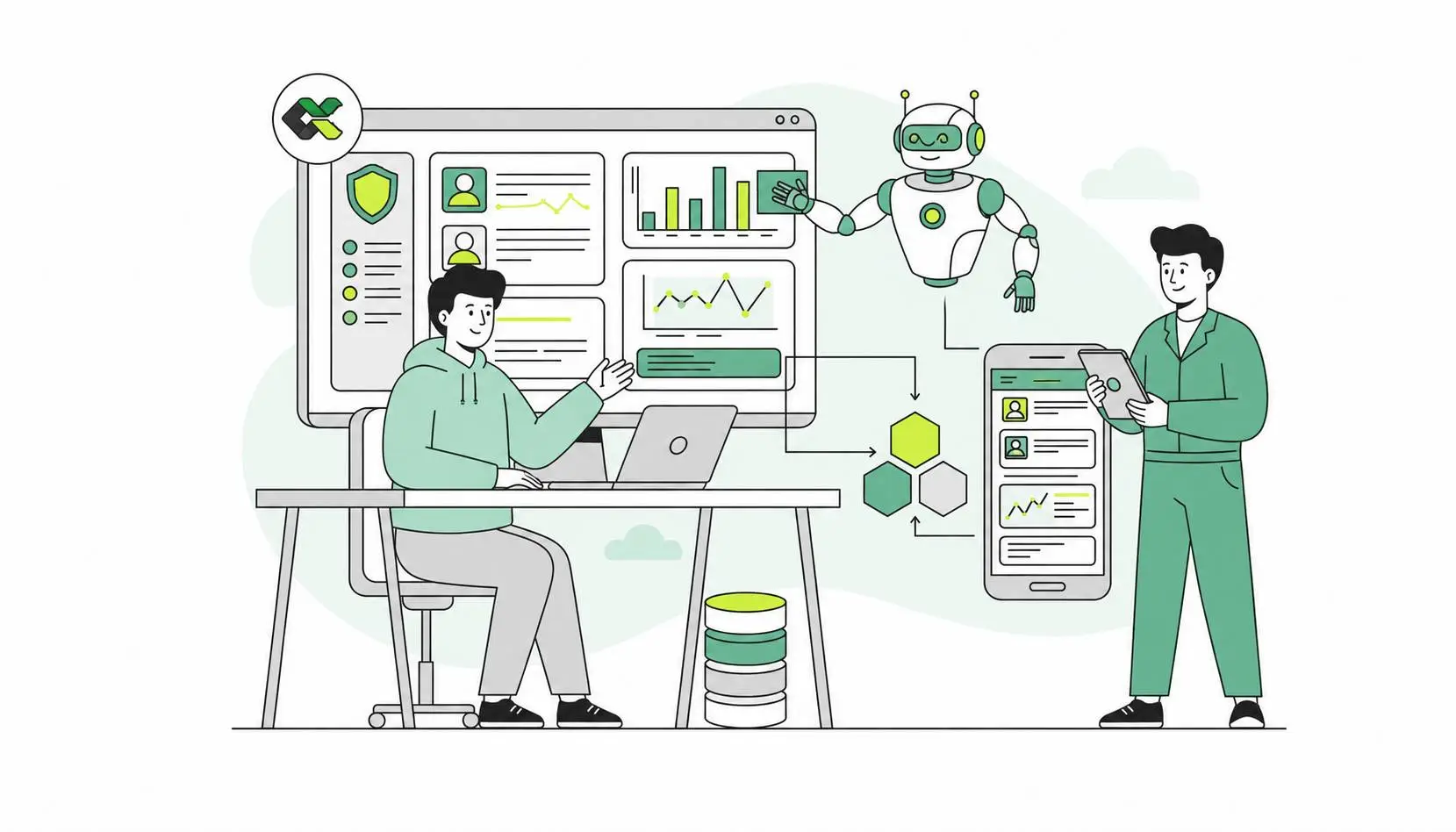
A web application is interactive software that runs in a web browser. Instead of simply displaying information for you to read, it lets users perform tasks — entering data, making transactions, managing accounts, generating reports, or collaborating in real time. You're almost certainly using web apps every day: your online banking dashboard, your email, a project management tool, an e-commerce checkout, or a booking system are all web applications.
The key distinction is interactivity and function. A website mostly delivers content to the user. A web app responds to the user, processing their input and giving back tailored results. It's the difference between reading a recipe on a page and using an interactive tool that adjusts the ingredient quantities when you change the number of servings.
Crucially, a web app runs in the browser, which means there's nothing to download or install. It works across devices and operating systems, updates instantly for everyone, and is accessible from anywhere with an internet connection.
Web App vs Website: What's the Real Difference?
The line between the two can blur, so it helps to think about purpose. Understanding web app vs website comes down to one question: do your visitors mainly need to learn something, or do something?
A website is primarily informational. A restaurant's menu page, a law firm's service overview, a portfolio, or a company's "About Us" section are all classic websites. Their job is to inform, build trust, and encourage contact. For many businesses, a well-built website is exactly what they need — and nothing more.
A web application is primarily functional. It's built for users to accomplish specific tasks: a client logging into a portal to view their invoices, a customer booking and paying for an appointment, a team managing inventory across multiple locations, or members accessing a subscription dashboard. The focus shifts from communication to capability.
In reality, many modern platforms combine both — an informational website with web-app features layered in, like a customer login area or an online ordering system. The right mix depends entirely on what your business needs to do.
Signs Your Business Is Ready for a Web Application
How do you know when you've outgrown a standard website? Here are the clearest signals.
1. You're Drowning in Manual, Repetitive Work
If your team spends hours each week copying data between spreadsheets, sending the same emails, or manually processing requests, that's a strong sign. A custom web app can automate these workflows — handling business automation that frees your staff to focus on higher-value work and dramatically reduces costly human error.
2. Your Customers Want to Self-Serve
Modern customers increasingly expect to book, order, pay, track, or manage things themselves, at any hour, without phoning your office. If you're fielding constant calls and emails for tasks that could be self-service — booking appointments, checking order status, accessing documents — a web app can deliver that convenience while reducing your support load.
3. You Need a Secure Client or User Portal
When clients need private, secure access to their own information — invoices, project updates, files, account details — a simple website won't do. A web application with proper user accounts and authentication lets you offer a professional, personalized, and secure experience that builds long-term loyalty.
4. Your Tools Don't Talk to Each Other
If your business juggles disconnected systems — one tool for bookings, another for payments, a spreadsheet for inventory, an inbox for everything else — the gaps cost you time and accuracy. A custom web app can unify these into a single, integrated platform tailored exactly to how you work.
5. Off-the-Shelf Software Doesn't Fit
Generic software is built for the average business, not yours. If you find yourself paying for features you don't use, working around limitations, or forcing your unique processes into a rigid template, custom web application development offers an alternative: software shaped precisely around your operations rather than the other way around.
6. You're Building a Product, Not Just a Presence
If your business idea is the software — a subscription service, a marketplace, a tool you sell access to — then you're not building a website at all. You're building a SaaS application: a product delivered over the web, with users, accounts, billing, and ongoing development. This is one of the most powerful and scalable business models in the digital economy.
The Real Benefits of a Web Application
When a web app genuinely fits your needs, the returns can be substantial. It saves time by automating manual processes and removing repetitive work. It improves accuracy by reducing the errors that creep into spreadsheets and manual handoffs. It enhances the customer experience by offering convenience, speed, and self-service.
A web app also scales with you — as your business grows, custom software can grow alongside it, rather than becoming a bottleneck. And because it's tailored to your exact processes, it can deliver a real competitive advantage that generic tools simply can't match.
A Word of Honesty: When You Don't Need One
A good partner tells you the truth, so here it is: not every business needs a web application, and you shouldn't build one just because it sounds impressive. Custom software is a meaningful investment of budget and time, and for many businesses — especially those whose main goal is to inform, attract, and convert visitors — a professional, well-designed website is the smarter, more cost-effective choice.
The right question isn't "Do I want a web app?" but "What is the specific problem I need to solve, and is a web app the best tool to solve it?" Sometimes the answer is a powerful custom application. Sometimes it's a great website with a few smart features. An honest assessment of your real needs always comes first.
How to Decide — and How We Can Help
Choosing between a website and a web application comes down to clarity about your goals. If you mainly need to be found, build trust, and generate inquiries, a strong website is your foundation. If you need to streamline operations, let customers self-serve, manage complex data, or deliver software as your product, a web application is likely the answer.
At ClixoWeb, we help businesses make exactly this decision — and then build the right solution. Whether that's a high-performing website or a robust, custom web application, our work spans web development, secure and reliable hosting, ongoing maintenance and support, and professional graphic design. We start by understanding your actual problems, then build technology that solves them, scales with you, and earns its keep.
Related service
Custom Web Application Development
ClixoWeb can turn this topic into a practical plan for your website.
Request helpRelated posts
Why Every Tourism Business Needs a Custom Website (Not Just a Booking Widget)
** A booking widget processes transactions; a custom tourism business website builds your brand, wins direct bookings, and cuts commission. Here's why it matters.
ReadHow to Launch an E-learning Website That Attracts Students and Builds Authority
Want to launch an e-learning website that attracts students and builds authority? A realistic, step-by-step guide to creating an online course website that ranks, teaches well, and earns trust.
ReadHow to Choose the Right Domain Name for Your Business Website
Your domain name is the first thing people type before they ever see your homepage, your products, or your team. It sits at the top of every browser, gets
Read